 Stephens Lawn and More
Determine How Often to Trim Your Grass
The right lawn care routine is crucial for maintaining a healthy and beautiful yard. One of the key aspects of this routine is knowing how often you should mow your grass. There isn’t a one-size-fits-all answer, as the ideal frequency depends on various factors such as climate, grass type, and personal preferences. Understanding these elements can help homeowners tailor their lawn care practices to ensure optimal growth and appearance.
Factors Influencing Mowing Frequency
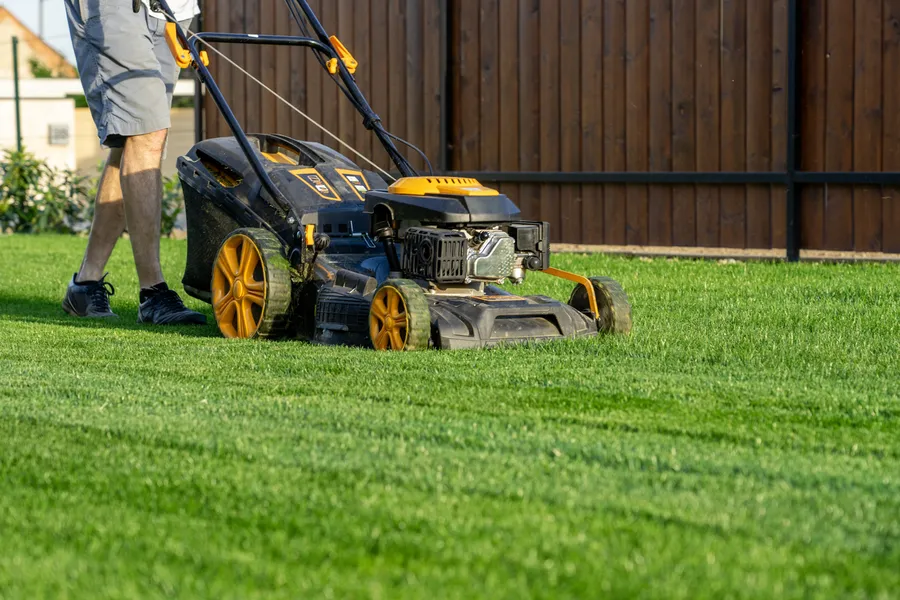
Several factors determine how often you should perform lawn mowing. These include weather conditions, the specific type of grass in your yard, and even the season. During rainy seasons, grass tends to grow faster, requiring more frequent cuts. Conversely, during dry or hot periods, it might grow slower, reducing the need for constant trimming.
The Importance of Grass Type
Your grass type plays a significant role in determining the ideal mowing schedule. For example, cool-season grasses like Kentucky bluegrass thrive best when mowed less frequently in colder months. On the other hand, warm-season grasses such as Bermuda might require more regular lawn mowing during summer to maintain their lush appearance.
Benefits of Regular Lawn Maintenance
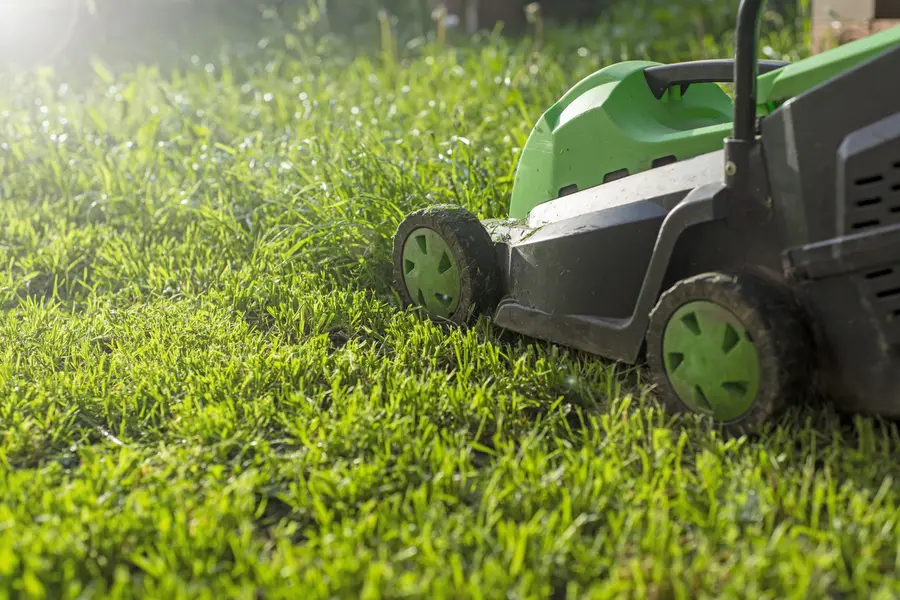
Keeping up with a consistent mowing schedule offers numerous benefits beyond aesthetics. Regular mowing encourages healthier grass by promoting thicker growth and preventing weeds from taking root. It also helps maintain an even lawn surface that enhances playability for families and pets. Moreover, consistent care can reduce pest infestations and improve soil health over time.
Challenges in Determining Mowing Schedules
One common challenge homeowners face is finding the right balance between mowing too often and not enough. Cutting grass too short can stress it out, while letting it grow too tall may result in uneven growth patterns. Additionally, unpredictable weather conditions can complicate schedules further. Investing time in understanding your lawn’s unique needs will pay off in avoiding these pitfalls.
Steps for Creating an Effective Schedule
Crafting an effective mowing plan involves several key steps:
- Identify your grass type and its growth habits.
- Monitor local weather patterns closely.
- Adjust frequency based on seasonal changes.
- Avoid cutting more than one-third of the grass height at once.
- Use well-maintained equipment for clean cuts.
Expert Tips for Optimal Lawn Health
Lawn care experts recommend adjusting mower blades to match the recommended height for your grass type. Sharpening blades regularly ensures a cleaner cut, which reduces stress on plants. It’s also beneficial to mow during cooler parts of the day to minimize shock from heat exposure. Implementing these tips can significantly enhance your lawn’s overall health and resilience.
Cost Considerations in Lawn Care
Caring for your lawn doesn’t have to break the bank. While professional services offer convenience, many cost-effective DIY solutions are available. Investing in quality tools and learning basic maintenance techniques can save you money in the long run. Weighing the pros and cons of hiring experts versus doing it yourself will help you make informed decisions about your lawn care budget.
Effective Strategies With Consistent Care
Maintaining a beautiful lawn requires consistent effort and attention to detail. By implementing these strategies, homeowners can enjoy lush greenery year-round without unnecessary hassle. If you’re located in Jacksonville, FL, consider reaching out to Stephens Lawn and More for expert advice tailored to your needs. Call us today at (904) 204-8003 to learn more about our comprehensive lawn care solutions.